
Горячая линия
1388xx888xx
1388xx888xx
Время:2025-12-25
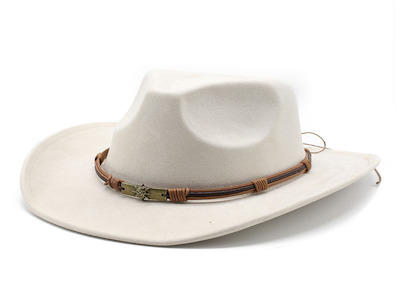
В мире моды, где тенденции приходят и уходят, классические шляпы остаются неизменным символом элегантности и стиля. Эти головные уборы, прошедшие через века, не только защищают от солнца и непогоды, но и выражают индивидуальность, статус и утонченный вкус. От аристократических салонов XIX века до современных подиумов, классические шляпы продолжают вдохновлять дизайнеров и поклонников моды по всему миру.
История классических шляп начинается в глубокой древности. Первые свидетельства использования головных уборов датируются тысячелетиями до нашей эры. В Древнем Египте, например, фараоны носили сложные головные уборы, символизирующие их божественную власть. В Древней Греции и Риме шляпы использовались как практичный аксессуар для защиты от солнца, а также как элемент военной формы. Однако именно в Средневековье шляпы начали приобретать более выраженный социальный и модный характер.
В эпоху Возрождения шляпы стали неотъемлемой частью костюма аристократии. Богато украшенные перьями, драгоценностями и вышивкой, они демонстрировали богатство и статус владельца. В XVII и XVIII веках, с развитием модной индустрии в Европе, шляпы эволюционировали в разнообразные стили, такие как треуголка, которая стала символом эпохи Просвещения и часто ассоциируется с фигурами like Наполеон Бонапарт.
XIX век ознаменовал золотой век классических шляп. Индустриальная революция принесла массовое производство, сделав шляпы доступными для более широкой аудитории. В это время появились iconic styles like цилиндр, котелок и канотье. Цилиндр, с его высокой тульей и узкими полями, стал must-have аксессуаром для джентльменов высшего общества, символизируя formal elegance. Котелок, или bowler hat, popularized by Charlie Chaplin, represented a more practical and everyday style for the working class. Meanwhile, women's hats evolved into extravagant creations with wide brims, flowers, and ribbons, reflecting the opulence of the Victorian era.
В начале XX века классические шляпы продолжали доминировать в моде. 1920-е годы принесли flapper culture and the cloche hat, which hugged the head and symbolized the newfound freedom of women. The 1940s and 1950s saw the rise of fedora and trilby hats, often associated with film noir and Hollywood icons like Humphrey Bogart and Audrey Hepburn. These decades cemented the hat as a staple of sophisticated style.
However, the 1960s and 1970s witnessed a decline in hat-wearing due to cultural shifts towards casualness and the influence of youth movements like hippie culture. Hats were often seen as old-fashioned, and many predicted their demise. But true classics never die; they adapt. In the 1980s and 1990s, hats made a comeback, fueled by nostalgia and the resurgence of vintage fashion. Designers like Philip Treacy and Stephen Jones reinvented hats with avant-garde designs, while classic styles remained popular in formal settings.
Today, classical hats are experiencing a renaissance. In the 21st century, they are celebrated for their timeless appeal and versatility. From royal weddings, where elaborate fascinators and wide-brimmed hats steal the show, to street style, where fedoras and berets add a touch of chic, hats are everywhere. Social media and celebrity influence have played a significant role in this revival. Icons like Meghan Markle, Lady Gaga, and David Beckham frequently sport hats, inspiring millions to embrace this accessory.
The enduring elegance of classical hats lies in their ability to transcend trends. A well-chosen hat can elevate any outfit, whether it's a casual jeans-and-t-shirt ensemble or a formal gown. For men, a fedora or panama hat adds a dash of sophistication, while for women, a wide-brimmed sun hat or a delicate pillbox hat exudes grace. Hats also offer practical benefits: protection from UV rays, warmth in cold weather, and a way to express personal style without saying a word.
Moreover, classical hats have a profound cultural and psychological impact. They can signify authority, as seen with military hats or judicial wigs, or convey creativity and individuality in artistic circles. In many cultures, hats are integral to traditional dress, preserving heritage and identity. For instance, the sombrero in Mexico or the ushanka in Russia are not just accessories but symbols of national pride.
The craftsmanship behind classical hats is another reason for their lasting appeal. High-quality hats are made from materials like felt, straw, wool, and leather, often handcrafted by skilled artisans. Brands like Lock & Co. in London, which has been making hats since 1676, or Borsalino in Italy, renowned for its fedoras, uphold traditions of excellence. This attention to detail ensures that a classical hat is not just a fashion item but an investment piece that can last a lifetime.
In terms of style, classical hats come in various forms, each with its own history and charm. The fedora, with its indented crown and flexible brim, is versatile and suave. The trilby, similar but with a shorter brim, is often associated with a more modern, edgy look. The bowler hat, with its rigid, rounded crown, evokes a sense of British tradition. For women, the pillbox hat, popularized by Jacqueline Kennedy, offers a minimalist elegance, while the wide-brimmed hat, like those seen at Ascot, provides drama and glamour.
Choosing the right hat involves considering face shape, occasion, and personal style. Oval faces can pull off almost any hat, while round faces benefit from hats with height to elongate the silhouette. Square faces look great with soft, rounded hats, and heart-shaped faces suit hats with medium brims. For formal events, a classic cocktail hat or a top hat might be appropriate, whereas a casual day out calls for a sun hat or a beanie in colder months.
The future of classical hats looks bright. As sustainability becomes a key concern in fashion, hats made from eco-friendly materials are gaining popularity. Designers are experimenting with recycled fabrics and ethical production methods, ensuring that elegance does not come at the cost of the environment. Additionally, the rise of gender-fluid fashion has blurred traditional boundaries, with hats being worn by all genders in innovative ways.
In conclusion, classical hats are more than just accessories; they are embodiments of history, art, and personal expression. Their eternal elegance and style have weathered the storms of changing trends, proving that true beauty is timeless. Whether you're a fashion enthusiast or someone looking to add a touch of class to your wardrobe, investing in a classical hat is a decision you won't regret. So, tip your hat to the past, and embrace the future with confidence and style.
As we move forward, let's remember the words of the great Coco Chanel: 'A woman who doesn't wear perfume has no future.' Perhaps we can adapt that to hats: 'A person without a classic hat is missing a piece of soul.' So, explore the world of classical hats, find the one that speaks to you, and let it be your signature piece of eternal elegance.
From the runways of Paris to the streets of Moscow, classical hats continue to captivate and inspire. They are a testament to human creativity and the enduring desire for beauty and refinement. In a fast-paced world, they remind us to slow down, appreciate craftsmanship, and express ourselves with grace. So, whether you're attending a wedding, strolling through the park, or simply wanting to feel a bit more fabulous, don a classical hat and step into a legacy of style that will never go out of fashion.
Embrace the charm, history, and versatility of classical hats. They are not just a trend; they are a tradition, a statement, and a forever piece in the tapestry of fashion. Let your hat do the talking, and wear it with pride, for in it lies the essence of eternal elegance and style.