Горячая линия
1388xx888xx
1388xx888xx
Время:2025-12-11
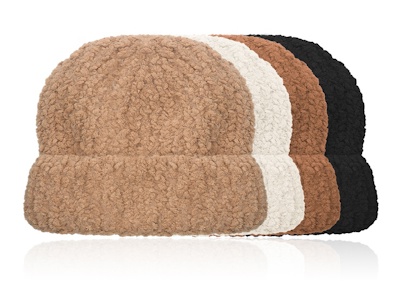
Экспорт головных уборов, особенно шапок, в холодные страны представляет собой уникальную возможность для бизнеса, сочетающую в себе функциональность, моду и культурные особенности. Холодные регионы, такие как Россия, Канада, Скандинавия и северные части США, требуют качественной одежды для защиты от суровых зимних условий. В этой статье мы подробно рассмотрим, какие типы шапок наиболее подходят для экспорта в эти страны, и почему они пользуются спросом. Мы охватим аспекты теплозащиты, материалов, дизайна, рыночных тенденций, экономических факторов и стратегий маркетинга, предоставляя всестороннее руководство для экспортёров.
Холодные страны сталкиваются с экстремальными температурами, которые часто опускаются ниже нуля, сопровождаясь ветром, снегом и льдом. Голова является одной из наиболее уязвимых частей тела для потери тепла, поэтому шапки играют критическую роль в поддержании тепла и комфорта. Исторически, головные уборы использовались не только для защиты, но и как символы статуса и культуры. Например, в России традиционные шапки-ушанки стали иконой зимней моды, в то время как в скандинавских странах популярны вязаные шапки с национальными узорами. Экспорт шапок в эти регионы требует понимания местных предпочтений и адаптации к климатическим условиям. Это не просто бизнес-возможность, но и способ внести вклад в благополучие людей, живущих в суровых условиях.
При выборе шапок для экспорта в холодные страны необходимо учитывать несколько ключевых факторов. Во-первых, теплозащита: шапки должны быть изготовлены из материалов с высокими изоляционными свойствами, таких как шерсть, мех или современные синтетические ткани. Во-вторых, водоотталкивающие и ветрозащитные свойства, поскольку влага и ветер могут значительно снизить эффективность утепления. В-третьих, комфорт и удобство: шапки должны быть легкими, дышащими и подходящими для длительного ношения. Кроме того, дизайн и эстетика играют важную роль; модные тенденции в холодных странах часто сочетают традиционные элементы с современными стилями. Наконец, долговечность и устойчивость: потребители ценят продукты, которые служат долго и производятся с учетом экологических стандартов. Учитывая эти критерии, можно выделить несколько типов шапок, которые особенно хорошо подходят для экспорта.
Шапки-ушанки, также известные как ушанки или шапки с ушами, являются классическим выбором для холодных стран, особенно в России и Восточной Европе. Они typically изготавливаются из меха, such as норки, песца или овчины, что обеспечивает исключительную теплозащиту. Ушанки designed с откидными ушными клапанами, которые можно завязывать под подбородком для дополнительной защиты от ветра. Их популярность обусловлена не только функциональностью, но и культурной значимостью; они ассоциируются с традиционной зимней одеждой и часто используются в военных и гражданских контекстах. Для экспорта, ушанки могут быть адаптированы с современными материалами, such as синтетические меха для веганов, или с дизайнерскими элементами для привлечения молодежи. Производство ушанок требует внимания к качеству меха и пошива, но их высокая цена оправдана спросом в premium-сегменте.
Вязаные шапки, такие как бини (beanie hats), чрезвычайно популярны в холодных странах due to их универсальности и comfort. Они typically изготавливаются из шерсти, акрила или смесовых yarns, которые provide отличную изоляцию и breathability. В скандинавских странах, like Норвегия и Швеция, вязаные шапки often украшены traditional узорами, such as снежинки или олени, что adds культурную appeal. These шапки lightweight, easy to носить под капюшонами, и подходят для различных occasion, from casual outings to sports. Для экспорта, вязаные шапки могут быть produced in bulk at lower costs, making them accessible to a wide audience. Additionally, they can be customized with logos or colors to align with local trends. The key to success is using high-quality yarns that resist pilling and maintain shape over time.
Меховые шапки, изготовленные из натуральных мехов like норка, песец или лиса, offer unparalleled luxury and warmth. Они highly sought after in cold countries for their aesthetic appeal and superior insulation properties. In regions like Canada and Alaska, fur hats are not just a fashion statement but a practical necessity for surviving extreme cold. However, ethical concerns about fur production have led to a rise in demand for ethical and sustainable options, such as hats made from recycled fur or certified sources. For export, fur hats should be marketed emphasizing their durability, natural warmth, and compliance with animal welfare standards. They often target high-end markets, where consumers are willing to pay a premium for quality and exclusivity. Collaborations with local designers can help integrate traditional motifs into modern designs, enhancing their appeal.
С ростом popularity зимних sports, such as skiing, snowboarding, and hiking, technical hats designed for outdoor activities have become essential. These hats are made from advanced materials like Gore-Tex, Polartec, or Thinsulate, which provide waterproof, windproof, and breathable properties. They often feature integrated technologies, such as moisture-wicking linings or adjustable fits, to enhance performance. In countries like Switzerland or the Nordic nations, where outdoor recreation is a way of life, these hats are in high demand. For export, focusing on functionality and innovation is key; highlight features like UV protection, reflectivity for safety, and compatibility with helmets. Marketing through sports retailers and online platforms can effectively reach the target audience of adventurers and athletes.
Многослойные шапки, which incorporate linings such as fleece, faux fur, or thermal fabrics, offer enhanced warmth without bulk. They are ideal for extremely cold conditions, as the layers trap heat effectively. These hats often have a outer shell made of durable materials like nylon or wool, and an inner lining for comfort. In places like Siberia or northern Canada, where temperatures can plummet to -40°C, such hats are crucial. For export, emphasize the adaptability of these designs; they can be styled for both urban and rural settings. Production should focus on seamless construction to prevent heat loss and ensure longevity. Offering customizable options, like removable linings, can appeal to consumers who value versatility.
Шапки that incorporate cultural elements, such as traditional patterns, colors, or symbols, can resonate deeply with local populations. For example, in Inuit communities of Canada, hats with native designs are not only functional but also preserve cultural heritage. Similarly, in Russia, шапки with patriotic motifs might appeal to national pride. Exporting such hats requires sensitivity to cultural authenticity and collaboration with local artisans. This not only ensures quality but also supports ethical trade practices. Marketing should highlight the story behind the design, appealing to consumers' desire for unique, meaningful products. These hats often occupy a niche market but can command higher prices due to their artisanal value.
Спрос на шапки в холодных странах driven by multiple factors. Firstly, климатическая necessity: without adequate head protection, individuals risk hypothermia and frostbite, making hats a non-negotiable part of winter wardrobe. Secondly, модные trends: in recent years, winter fashion has evolved to embrace both functionality and style, with hats becoming statement pieces. For instance, the popularity of streetwear has made beanies and oversized hats trendy among youth. Thirdly, экономическая доступность: while luxury items like fur hats target affluent consumers, affordable options like knitted hats ensure broad market penetration. Additionally, growing awareness of sustainability has increased demand for eco-friendly materials, such as organic wool or recycled synthetics. Exporters can leverage these trends by offering a diverse range of products that cater to different segments, from budget-conscious buyers to luxury seekers.
Рынок головных уборов в холодных странах is dynamic and influenced by global trends. Currently, there is a shift towards personalized and customizable products, enabled by e-commerce and digital printing technologies. For example, consumers can order hats with custom embroidery or colors online. Another trend is the integration of smart technology, such as hats with built-in headphones or heating elements, though this is still niche. Geopolitical factors, like trade agreements or tariffs, can impact export costs; thus, staying informed about regulations in target countries is crucial. Opportunities abound in emerging markets, such as parts of Asia with developing winter tourism, where demand for cold-weather gear is rising. Exporters should conduct market research to identify gaps, such as under-served rural areas or specific demographic needs, like hats for children or seniors.
To successfully export hats to cold countries, adopt a multi-faceted approach. Start with product development: invest in R&D to create hats that meet local standards for warmth and durability. For instance, test products in extreme conditions to ensure performance. Next, focus on marketing: use digital platforms to reach global audiences, emphasizing the unique selling points of your hats, such as ethical production or innovative features. Collaborate with influencers or local retailers to build trust. Logistics are key; ensure efficient supply chains to handle seasonal demand spikes, as winter sales peak from October to March. Pricing strategies should consider local economic conditions; for example, offer competitive prices in mass markets while maintaining premium pricing for luxury items. Finally, comply with international standards, such as CE marking for Europe or FTC regulations for the US, to avoid legal issues.
В заключение, экспорт шапок в холодные страны offers substantial opportunities for growth and innovation. By focusing on types like ушанки, вязаные шапки, меховые шапки, технические designs, многослойные варианты, and культурно-тематические изделия, exporters can cater to diverse needs. The key to success lies in understanding local climates, cultures, and consumer behaviors, while embracing sustainability and technology. As climate change alters weather patterns, demand for high-quality winter gear may increase, making this a resilient market. By staying adaptable and consumer-focused, businesses can not only profit but also contribute to global comfort and style during the coldest months.
Этот анализ provides a foundation for exporters to navigate the complexities of the hat market in cold countries. Remember, the best hat is one that combines warmth, style, and value—qualities that will always be in demand where winter bites hardest.