
Горячая линия
1388xx888xx
1388xx888xx
Время:2025-12-07
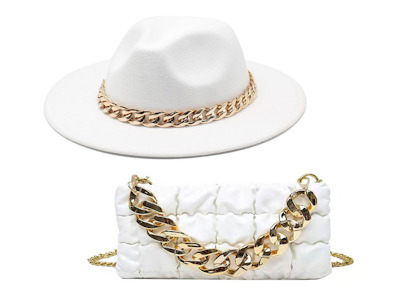
В мире моды, где тенденции приходят и уходят с головокружительной скоростью, некоторые элементы стиля обладают удивительной способностью возвращаться, словно феникс из пепла. Одним из таких вечных символов элегантности и бунтарства является берет – головной убор, который в последние годы вновь захватил подиумы, улицы и сердца модников по всему миру. Но почему именно берет, с его богатой историей и культурным багажом, снова стал must-have аксессуаром? Эта статья углубится в причины этого феномена, исследуя историю берета, его эволюцию в моде, психологические и социальные факторы возрождения, а также практические советы по его ношению в современном контексте. Мы увидим, как берет не просто возвращается, а переосмысливается, доказывая, что истинный стиль вечен.
Берет имеет глубокие исторические корни, уходящие в античность. Первые упоминания о подобных головных уборах можно найти в древнегреческих и римских источниках, где они использовались как практичный элемент одежды для защиты от солнца и холода. Однако современный берет, каким мы его знаем, зародился в Средневековье в Европе, particularly в регионах Франции и Испании. Изначально он был популярен среди крестьян и ремесленников благодаря своей простоте и универсальности – сделанный из шерсти или felt, он легко складывался и носился в кармане, что делало его идеальным для рабочих условий.
В эпоху Возрождения берет начал приобретать более символическое значение. Его носили художники, интеллектуалы и аристократы, превращая его в символ творчества и изысканности. Например, легендарные фигуры, такие как Леонардо да Винчи и Рафаэль, часто изображались в беретах, что укрепляло его ассоциацию с искусством и умом. Этот период заложил основу для восприятия берета как аксессуара, который не только функционален, но и несет в себе культурный вес.
В XVII и XVIII веках берет стал частью военной униформы, особенно в армиях Франции и других европейских стран. Его адаптировали для различных родов войск, добавляя кокарды и другие элементы, что подчеркивало его практичность в полевых условиях. Одновременно в гражданской моде берет оставался популярным среди женщин высшего общества, которые украшали его перьями и драгоценностями, демонстрируя его versatility – от утилитарного до роскошного.
XIX век принес новые волны в моду берета. С ростом индустриализации и изменением социальных норм, берет стал символом богемной жизни в Париже и других культурных центрах. Художники-импрессионисты, такие как Клод Моне и Эдгар Дега, часто носили береты, further cementing его связь с арт-сценой. Кроме того, берет начал ассоциироваться с революционными движениями – его носили участники Парижской коммуны и другие радикалы, что добавило ему ауру бунтарства и непокорности.
К началу XX века берет прочно вошел в мировую моду как унисекс аксессуар. Его носили знаменитости, такие как Коко Шанель, которая популяризировала его в женской моде, сочетая с костюмами для придания элегантности и ease. В кино берет стал iconic – вспомните образы Греты Гарбо или Марлен Дитрих, которые использовали его для создания загадочного и sophisticated образа. Этот исторический багаж сделал берет не просто головным убором, а культурным артефактом, capable of evoking emotions and memories.
XX век стал поворотным моментом для берета, as it transitioned from a symbol of high fashion to a staple of counterculture. В 1920-х и 1930-х годах, с расцветом ар-деко и голливудского гламура, берет стал must-have аксессуаром для женщин, seeking to emulate the style of screen sirens. Дизайнеры, такие как Эльза Скиапарелли, экспериментировали с формами и материалами, creating avant-garde versions that pushed the boundaries of fashion.
После Второй мировой войны берет приобрел новые connotations. В 1950-х годах его носили битники и представители богемы, associating it with intellectualism and non-conformity. Фигуры, like Jack Kerouac and Allen Ginsberg, made the beret a symbol of the Beat Generation, emphasizing its role in challenging societal norms. This era also saw the beret become linked to political movements – for instance, Che Guevara's iconic beret became a global symbol of revolution and resistance.
1960-е и 1970-е годы further diversified the beret's appeal. In the context of the civil rights and feminist movements, it was adopted by activists as a statement of solidarity and empowerment. Simultaneously, in high fashion, designers like Yves Saint Laurent reintroduced the beret in their collections, blending it with modernist aesthetics. The beret appeared on runways and in magazines, proving its adaptability to various styles – from punk to preppy.
1980-е и 1990-е годы witnessed a slight decline in the beret's popularity as streetwear and casual fashion took over. However, it never fully disappeared. In the 1990s, it experienced a revival thanks to pop culture icons like Britney Spears and the Spice Girls, who incorporated it into their trendy outfits. This period highlighted the beret's ability to resonate with younger generations, bridging the gap between vintage and contemporary.
Throughout the 20th century, the beret's evolution mirrored broader social changes. It shifted from being a marker of elitism to a tool of expression for marginalized groups, demonstrating its unique capacity to absorb and reflect cultural shifts. This versatility is key to understanding why it has endured and why it is now making a comeback.
Возрождение берета в XXI веке не случайно; оно rooted in deep psychological and social factors. One primary reason is nostalgia. In an era of rapid technological change and uncertainty, people often seek comfort in the past. The beret, with its rich history, evokes a sense of timelessness and authenticity that contrasts with the fast-paced, disposable nature of modern fashion. Wearing a beret can feel like connecting to a simpler, more elegant time, providing emotional satisfaction and a sense of identity.
Another factor is the desire for individuality and self-expression. In a world saturated with mass-produced fashion, consumers are increasingly drawn to unique, vintage-inspired pieces that allow them to stand out. The beret offers a distinct look that can be personalized – whether tilted jauntily to the side or worn straight, it adds a touch of personality to any outfit. Social media has amplified this trend, with influencers and celebrities showcasing berets in creative ways, inspiring others to adopt them as a statement of style.
Moreover, the beret aligns with contemporary values of sustainability and ethical fashion. As consumers become more conscious of environmental issues, there is a growing preference for durable, timeless items over fast fashion. The beret, often made from natural materials like wool or felt, fits into this ethos. Its longevity and ability to be repurposed across seasons make it an eco-friendly choice, contributing to its resurgence.
Culturally, the beret's revival is part of a broader trend of revisiting and reinterpreting historical styles. Designers and fashion houses are constantly mining the past for inspiration, and the beret's iconic status makes it a prime candidate for reinterpretation. In recent years, brands like Chanel, Dior, and Gucci have featured berets in their collections, blending classic elements with modern twists. This high-fashion endorsement trickles down to mainstream culture, fueling demand.
Lastly, the beret's universality plays a role. It transcends gender, age, and cultural boundaries, making it accessible to a wide audience. Whether worn by a young student in Tokyo, a fashionista in Milan, or an older gentleman in Paris, the beret adapts to diverse contexts. This inclusivity enhances its appeal in our globalized world, where fashion is increasingly democratized.
В современной моде берет переосмысляется through various lenses, offering endless styling possibilities. Designers are experimenting with colors, textures, and sizes – from oversized berets in bright hues to minimalist versions in neutral tones. The classic black or navy beret remains a staple, but bold choices like red, green, or patterned designs are gaining popularity, allowing for more playful expressions.
To wear a beret effectively, consider the occasion and personal style. For a casual, everyday look, pair a beret with jeans, a sweater, and ankle boots. This creates a relaxed yet chic ensemble that nods to the beret's bohemian roots. For formal events, opt for a structured beret in a luxury fabric like velvet or cashmere, combined with a tailored coat or dress. This elevates the outfit, adding a touch of sophistication.
Placement is key – traditionally, berets are worn tilted to one side, which conveys a sense of whimsy and confidence. However, wearing it straight or slightly back on the head can give a more modern, androgynous vibe. Experiment with angles to find what suits your face shape and personality best. Accessories can enhance the look; for example, adding a brooch or pin to the beret can personalize it further.
In terms of hair, the beret complements various styles. It works well with loose waves, ponytails, or even short crops, as it doesn't require much volume underneath. For a retro feel, try styling your hair in soft curls before donning the beret. Remember, the goal is to integrate the beret seamlessly into your overall aesthetic, making it look intentional and effortless.
Celebrities and influencers are leading the charge in popularizing modern beret styles. Figures like Emma Stone, Harry Styles, and Rihanna have been spotted wearing berets in innovative ways, from red carpet events to street style moments. Their influence demonstrates that the beret is not just a throwback but a relevant accessory for today's fashion landscape.
Возрождение берета – это больше, чем просто модный тренд; it is a testament to the cyclical nature of fashion and the enduring power of classic design. Its return to prominence is driven by a combination of historical reverence, psychological comfort, social expression, and modern innovation. As we navigate an ever-changing world, the beret serves as a reminder that true style is timeless, capable of adapting and inspiring across generations.
Whether you embrace it for its elegance, its rebellious spirit, or its versatility, the beret invites us to appreciate the beauty of history while looking forward to the future. So, the next time you see someone sporting a beret, remember – it's not just a hat; it's a piece of living history, whispering stories of art, revolution, and endless style.