Горячая линия
1388xx888xx
1388xx888xx
Время:2025-12-02
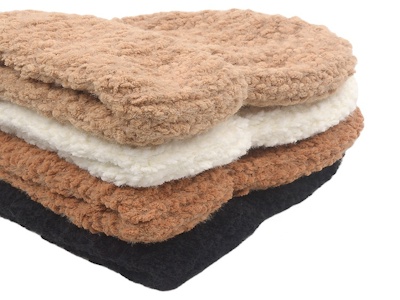
В последние годы мир стал свидетелем беспрецедентного роста экспорта кепок газетчиков, скромного аксессуара, который превратился в глобальный символ стиля, культуры и коммерческого успеха. Этот головной убор, изначально ассоциировавшийся с уличными торговцами и рабочим классом, теперь доминирует на международных рынках, привлекая внимание модных брендов, инвесторов и потребителей от Нью-Йорка до Токио. В этой статье мы глубоко погрузимся в причины, последствия и будущее этого явления, раскрывая, как кепки газетчиков стали неотъемлемой частью современной моды и экономики.
Кепки газетчиков, или «newsboy caps», имеют богатую историю, уходящую корнями в конец XIX века. Изначально они были популярны среди мальчиков-разносчиков газет в США и Европе, символизируя скромность и трудолюбие. Сделанные из durable материалов like tweed or wool, эти кепки предлагали protection from the elements while maintaining a casual, utilitarian appeal. Однако, с течением времени, их восприятие изменилось. В 1920-х годах, благодаря голливудским фильмам и знаменитостям, кепки газетчиков начали ассоциироваться с богемным стилем и rebellion. Например, звезды like Charlie Chaplin and later, in the 1950s, James Dean, носили их как statement pieces, blending nostalgia with coolness.
Переход от функционального аксессуара к модному must-have произошел постепенно. В 1980-х и 1990-х годах, с rise of streetwear and hip-hop culture, кепки газетчиков вновь обрели популярность. Brands like Kangol and later, Supreme, incorporated them into their collections, making them icons of urban fashion. Этот historical journey not only preserved the cap's heritage but also set the stage for its global export boom. Today, countries like China, India, and Bangladesh are major exporters, leveraging their manufacturing capabilities to meet rising demand. According to trade data, exports of newsboy caps have grown by over 200% in the past decade, driven by factors such as e-commerce, social media influence, and a shift towards sustainable fashion.
Several interconnected factors have fueled the explosive growth in exports of newsboy caps. Firstly, the digital revolution has played a pivotal role. E-commerce platforms like Amazon, Alibaba, and Etsy have democratized access to global markets, allowing small artisans and large corporations alike to sell their products worldwide. For instance, a manufacturer in Pakistan can now easily export caps to consumers in Europe or North America, bypassing traditional brick-and-mortar barriers. Social media platforms, particularly Instagram and TikTok, have amplified this trend. Influencers and celebrities frequently showcase newsboy caps in their posts, creating viral moments that drive consumer desire. A single post by a fashion icon like Rihanna or Harry Styles can lead to a surge in orders, highlighting the power of digital marketing in boosting exports.
Secondly, changes in consumer behavior have been crucial. Modern shoppers are increasingly valuing uniqueness, authenticity, and sustainability. Newsboy caps, often handcrafted or made from eco-friendly materials, appeal to this ethos. Brands are responding by emphasizing ethical production practices, such as using organic cotton or recycled fabrics, which not only attract environmentally conscious buyers but also enhance export appeal in regions with strict regulations, like the European Union. Additionally, the caps' versatility makes them a wardrobe staple for various demographics—from teenagers seeking streetwear cred to older generations nostalgic for classic styles. This broad appeal ensures a steady demand across seasons and trends.
Thirdly, economic factors cannot be overlooked. Globalization has reduced trade barriers, making it easier and cheaper to export goods. Free trade agreements and improved logistics networks have streamlined supply chains, allowing for faster and more efficient distribution. For example, the ASEAN-China Free Trade Area has facilitated exports from Southeast Asian countries to China, a massive market with a growing appetite for Western fashion. Moreover, fluctuations in currency exchange rates can make exports more competitive. When the US dollar is strong, American brands find it cheaper to produce caps overseas and export them back, boosting overall trade volumes.
The export growth of newsboy caps is closely tied to the strategies of key players in the industry. Established brands like Kangol, which originated in the UK, have long been at the forefront. By leveraging their heritage and expanding into new markets through online sales and collaborations, Kangol has seen a significant increase in exports, particularly to Asia and the Middle East. Similarly, luxury brands such as Gucci and Prada have incorporated newsboy caps into their high-end collections, often with premium materials and price tags, appealing to affluent consumers and driving exports from Italy and France to global luxury hubs.
Newer, agile brands are also making waves. For instance, startups like Brixton and Huf have focused on niche markets, using direct-to-consumer models to bypass intermediaries and build strong export networks. Their success stories often involve leveraging social media to create buzz and partnering with local distributors in key regions. In addition, fast-fashion giants like Zara and H&M produce newsboy caps at scale, exporting them from manufacturing hubs in countries like Bangladesh and Vietnam to stores worldwide. These companies benefit from economies of scale and rapid production cycles, allowing them to respond quickly to trends and maximize export volumes.
Collaborations and limited editions have become a common strategy to boost exports. For example, a collaboration between a cap manufacturer and a popular anime series can lead to exclusive designs that sell out instantly in international markets, creating hype and driving cross-border sales. Furthermore, brands are investing in customization options, allowing consumers to personalize caps with embroidery or unique fabrics, which adds value and encourages exports through premium pricing.
The rise in exports of newsboy caps has had profound economic and cultural impacts. Economically, it has created jobs and stimulated growth in exporting countries. In nations like India and Bangladesh, the cap manufacturing industry employs thousands of workers, particularly in rural areas, contributing to poverty reduction and economic development. According to the World Trade Organization, the textile and apparel sector, which includes caps, accounts for a significant portion of exports for many developing countries, helping to balance trade deficits and foster industrialization.
Culturally, newsboy caps have become a symbol of global fusion. They blend elements from different eras and regions—echoing American street style, European elegance, and Asian craftsmanship. This cultural exchange is facilitated by exports, as caps travel across borders and influence local fashion scenes. For instance, in Japan, newsboy caps are often worn as part of Harajuku fashion, mixing with traditional elements to create unique styles. Similarly, in Africa, local designers incorporate caps into their collections, exporting them back to the West and enriching global fashion diversity.
However, this growth is not without challenges. Issues such as labor exploitation in factories and environmental concerns related to mass production have sparked debates. Brands are increasingly pressured to adopt ethical practices, which can affect export costs and strategies. Nonetheless, the overall trend points towards a more sustainable and inclusive industry, with exports serving as a vehicle for positive change.
Looking ahead, the export of newsboy caps is poised for continued growth, driven by emerging trends. The integration of technology, such as smart fabrics with embedded sensors for fitness tracking, could open new export markets in the health and wellness sector. Additionally, the rise of virtual fashion and NFTs might lead to digital versions of caps being "exported" in metaverse environments, creating entirely new revenue streams.
Geopolitical shifts will also play a role. As trade policies evolve, exports may shift towards regions with favorable agreements. For example, the African Continental Free Trade Area could boost intra-African exports of caps, while tensions between major economies might lead to diversification of supply chains. Sustainability will remain a key driver, with consumers demanding transparent and eco-friendly products, pushing exporters to innovate and adapt.
In conclusion, the growth of newsboy cap exports is a multifaceted phenomenon rooted in history, powered by technology, and shaped by cultural dynamics. It exemplifies how a simple accessory can transcend its origins to become a global commodity, influencing economies and styles worldwide. As we move forward, this trend is likely to accelerate, offering opportunities for innovation and connection across borders.
This article has only scratched the surface of this exciting topic. For more insights, stay tuned to fashion reports and trade analyses. The humble newsboy cap is here to stay, and its journey is far from over.