Горячая линия
1388xx888xx
1388xx888xx
Время:2025-12-01
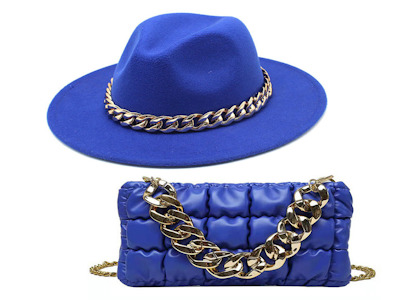
В мире моды, где массовое производство часто доминирует, винтажные головные уборы становятся мощным инструментом самовыражения. Они не просто дополняют образ — они рассказывают историю, подчеркивают индивидуальность и создают неповторимый шарм. В этой статье мы погрузимся в искусство создания винтажных головных уборов, исследуем их историю, материалы, техники и то, как они могут преобразить ваш стиль. Готовы ли вы к творческому путешествию? Давайте начнем!
Винтажные головные уборы — это больше, чем просто аксессуары; это окно в прошлое, способ соединить элегантность ушедших эпох с современными тенденциями. От шляп-клош 1920-х годов до широкополых шляп 1970-х, каждый стиль несет в себе уникальную энергетику и историю. Создание такого убора своими руками позволяет не только сэкономить деньги, но и вложить в него частичку своей души, делая его truly one-of-a-kind.
Почему именно винтаж? В эпоху fast fashion винтажные вещи становятся символом устойчивости и осознанного потребления. Они напоминают нам о качестве, внимании к деталям и искусстве ручной работы. Кроме того, ношение винтажного головного убора — это statement: вы выделяетесь из толпы, демонстрируя свой вкус и уважение к традициям.
В этой статье мы рассмотрим все аспекты создания винтажных головных уборов: от выбора материалов и инструментов до пошаговых инструкций и советов по стилизации. Независимо от вашего уровня опыта, вы найдете здесь inspiration и practical guidance to embark on this creative adventure.
Головные уборы имеют богатую историю, уходящую корнями в древние цивилизации. В Древнем Египте, например, фараоны носили сложные головные уборы, символизирующие власть и божественность. В Средневековой Европе шляпы указывали на социальный статус: nobility adorned themselves with elaborate hats, while commoners wore simple caps.
Эпоха Возрождения brought a flourish of creativity to headwear, with intricate designs and the use of luxurious fabrics like velvet and silk. The 18th century saw the rise of the tricorne hat, popular among men, and the mob cap for women. However, it was the 19th and early 20th centuries that truly defined vintage headwear as we know it today.
В 1920-е годы, эпоха джаза и флэпперов, шляпы-клош стали иконой стиля. Они perfectly complemented the short hairstyles and rebellious spirit of the time. The 1930s and 1940s introduced more structured hats, like the pillbox and the turban, often adorned with veils and feathers, reflecting the glamour of Hollywood.
1950-е годы brought a return to femininity with wide-brimmed hats and fascinators, while the 1960s and 1970s embraced bohemian and hippie styles, featuring floppy hats and headbands. Each decade left its mark, and today, we can draw inspiration from these eras to create headwear that is both nostalgic and contemporary.
Understanding this history is crucial for creating authentic vintage headwear. It allows you to incorporate elements that resonate with specific periods, adding depth and authenticity to your creations.
В современном мире моды наблюдается растущий интерес к винтажным и ретро-стилям. Это не просто тренд, а движение towards uniqueness and sustainability. Fast fashion often produces identical items, but vintage headwear offers a way to stand out and express personal style.
Moreover, vintage headwear is versatile. It can be dressed up for formal events or paired with casual outfits for a touch of elegance. For example, a 1940s-inspired hat can elevate a simple dress, while a 1970s floppy hat adds a bohemian flair to jeans and a t-shirt.
С экологической точки зрения, создание и ношение винтажных аксессуаров promotes recycling and reduces waste. By repurposing old materials or buying second-hand, you contribute to a more sustainable fashion industry. This aligns with the values of many modern consumers who are conscious of their environmental impact.
Additionally, vintage headwear has a timeless appeal. Unlike fleeting trends, these pieces often become cherished items that can be passed down through generations. They carry stories and emotions, making them more than just accessories.
In a nutshell, vintage headwear is relevant because it combines aesthetics, individuality, and ethics. It allows you to make a fashion statement that is both stylish and meaningful.
Выбор материалов — ключевой этап в создании винтажного головного убора. Традиционные материалы включают шерсть, фетр, шелк, бархат и кружево. These fabrics not only look authentic but also provide the structure and durability needed for vintage designs.
Felt is a popular choice for hats because it is malleable and can be shaped easily. Wool felt is ideal for structured hats like fedoras or cloches, while synthetic felt is more affordable and suitable for beginners. Silk and velvet add a touch of luxury, perfect for evening wear or special occasions.
For decorations, consider using vintage buttons, feathers, ribbons, and artificial flowers. These elements can be sourced from thrift stores, online marketplaces, or even inherited from family collections. Incorporating such details adds character and a sense of history to your headwear.
Tools are equally important. Basic tools include a sewing machine (or needle and thread for hand-sewing), scissors, measuring tape, and a steamer or iron for shaping. For more advanced projects, you might need a hat block or molding tools to create specific shapes.
When selecting materials, think about the era you are inspired by. For example, 1920s hats often use lightweight fabrics and geometric patterns, while 1950s hats might feature lavish decorations and brighter colors. Always prioritize quality over quantity; better materials will result in a more professional and long-lasting piece.
Don't forget sustainability! Upcycle old clothes or fabrics to reduce waste. This not only saves money but also adds a unique story to your creation.
Создание винтажных головных уборов может показаться daunting, но с правильными техниками это становится accessible even for beginners. Start with simple projects like headbands or fascinators before moving on to more complex hats.
Basic techniques include cutting fabric to pattern, sewing seams, and adding embellishments. For shaped hats, blocking is essential. This involves wetting the material (like felt) and stretching it over a form to achieve the desired shape. You can use household items like bowls or purchased hat blocks for this purpose.
Hand-sewing allows for precision and is ideal for adding delicate details. Machine sewing is faster and better for structural seams. Practice on scrap fabric first to hone your skills.
For vintage authenticity, learn period-specific techniques. For instance, millinery techniques from the early 20th century often involve wiring the brim or using buckram for structure. Online tutorials and books on hat-making can be invaluable resources.
Remember, patience is key. Take your time with each step, and don't be afraid to make mistakes — they are part of the learning process. As you gain confidence, you can experiment with custom designs, mixing elements from different eras to create something truly unique.
Lastly, always try on your creation during the process to ensure a perfect fit. A well-fitted hat not only looks better but is also more comfortable to wear.
Шляпа-клош, икона 1920-х годов, — отличный проект для начала. Вот подробное руководство:
Этот проект займет несколько часов и идеально подходит для beginners. As you practice, you can try variations, such as adding a veil or using different colors.
Винтажный головной убор может seamlessly blend with modern fashion if styled correctly. The key is balance: let the hat be the focal point and keep the rest of the outfit relatively simple.
For a daytime look, pair a 1950s-style hat with a fitted dress and ankle boots. This creates a chic, retro vibe that is both playful and elegant. For evenings, opt for a more dramatic piece, like a 1940s turban, paired with a sleek gown and statement jewelry.
Don't be afraid to mix eras. A 1920s cloche can look surprisingly modern with jeans and a leather jacket, adding an unexpected twist. Accessories like vintage gloves or bags can complement the headwear and enhance the overall aesthetic.
Consider the occasion. Vintage headwear is perfect for weddings, parties, or even everyday wear if you choose subtler designs. It can boost your confidence and make you feel connected to fashion history.
Lastly, play with colors and textures. Match the hat to your outfit's color palette, or use it to add a pop of contrast. Remember, fashion is about expression, so have fun and experiment!
Создание винтажных головных уборов — это rewarding endeavor that allows you to express creativity and embrace individuality. By understanding history, selecting quality materials, and mastering techniques, you can craft pieces that are not only beautiful but also meaningful.
Whether you're a novice or an experienced crafter, there's always something new to learn and explore. Start small, be patient, and let your imagination guide you. Your unique vintage headwear will not only enhance your style but also become a cherished part of your wardrobe.
So, take the first step today. Gather your materials, choose an era that inspires you, and begin your journey to creating a headpiece that is truly yours. Embrace the past to shape your future style!