Горячая линия
1388xx888xx
1388xx888xx
Время:2025-11-28
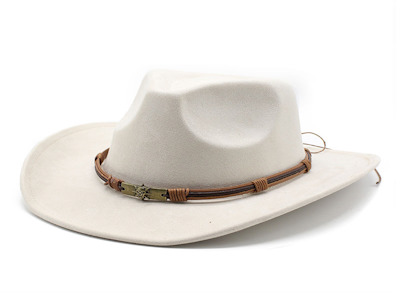
В мире промышленного производства безопасность труда стоит на первом месте. Каждый день миллионы рабочих по всему миру сталкиваются с потенциальными опасностями, и одной из самых критических угроз является травма головы. Защитный шлем – это не просто аксессуар, а жизненно важное средство индивидуальной защиты (СИЗ), которое может предотвратить катастрофические последствия. В этой статье мы глубоко погрузимся в тему промышленной безопасности, сосредоточившись на том, как простой шлем спасает жизни, уменьшает травматизм и способствует общей продуктивности на производстве. Мы рассмотрим историю, типы, стандарты, реальные случаи и будущие инновации, чтобы дать вам полное понимание этой незаменимой части экипировки.
Промышленная безопасность – это комплекс мер, направленных на защиту здоровья и жизни работников от производственных рисков. Она включает в себя нормативные акты, обучение, оборудование и культуру безопасности на предприятиях. Согласно данным Международной организации труда (МОТ), ежегодно в мире происходит около 2.3 миллиона смертей, связанных с работой, и многие из них можно предотвратить с помощью надлежащих мер безопасности. Травмы головы составляют значительную часть этих инцидентов, особенно в таких отраслях, как строительство, manufacturing, горнодобывающая промышленность и логистика.
Защитный шлем, также известный как каска или hard hat, играет ключевую роль в этом контексте. Он предназначен для поглощения ударов, защиты от падающих объектов, электрических разрядов и других опасностей. Но почему именно шлем так важен? Ответ прост: голова – это самый уязвимый орган человеческого тела. Травмы головы могут привести к необратимым повреждениям мозга, инвалидности или смерти. Поэтому инвестиции в качественные шлемы – это не просто соблюдение правил, а моральный и экономический императив для любого работодателя.
Интересный факт: Первые прототипы защитных шлемов появились еще в древности, но современные промышленные шлемы были разработаны в начале XX века в ответ на рост промышленных аварий.
Эволюция защитных шлемов отражает прогресс в понимании безопасности труда. В древние времена воины использовали шлемы из кожи или металла для защиты в бою, но промышленное применение началось лишь с индустриальной революцией. В XIX веке, с развитием фабрик и шахт, участились случаи травм головы из-за падающих обломков или machinery accidents. Однако систематический подход к безопасности появился позже.
В 1919 году компания Bullard, основанная Э.У. Буллардом в США, разработала первый коммерческий защитный шлем для шахтеров, сделанный из кожи и металла. Это был прорыв, но материал был тяжелым и не очень эффективным. В 1930-х годах引入了пластиковые шлемы на основе бакелита, которые были легче и дешевле. С тех пор дизайн и материалы постоянно улучшались. В 1950-х годах появились шлемы из полиэтилена и других полимеров, а в 1970-х – с внутренней suspension system для лучшего поглощения ударов.
Современные шлемы incorporate advanced materials like ABS plastic, polycarbonate, or composite materials, offering enhanced protection against impacts, penetration, and even extreme temperatures. They also include features such as adjustable straps, ventilation, and compatibility with other PPE like face shields or hearing protection. The history shows a clear trend: from rudimentary protection to smart, ergonomic designs that prioritize comfort without compromising safety.
"Безопасность – это не дополнительная опция, а фундаментальная часть любого производственного процесса." – Неизвестный эксперт по охране труда.
Защитные шлемы come in various types, each designed for specific hazards and industries. Understanding these differences is crucial for selecting the right equipment. The main categories include:
Additionally, helmets can be categorized by their suspension type: pin-lock or slot-lock systems that allow for adjustment and better fit. Some modern helmets are even "smart," equipped with sensors to monitor impacts, environmental conditions, or worker fatigue, sending alerts to supervisors in real-time.
Choosing the right helmet depends on a risk assessment of the workplace. For example, in a construction site with overhead hazards, a Class A helmet with a chin strap might be ideal, while an electrician would need a Class B model. Regular inspection and replacement are also key – helmets should be replaced after a significant impact or every 5 years due to material degradation.
Статистика: По данным OSHA, правильное использование защитных шлемов может снизить риск травм головы на производстве на up to 85%.
Чтобы гарантировать эффективность защитных шлемов, существуют строгие стандарты и нормативы, разработанные международными и национальными организациями. В России основным standard is GOST 12.4.087-84, which aligns with European norms like EN 397. In the US, OSHA regulations reference ANSI/ISEA Z89.1, which classifies helmets into types and classes based on performance tests.
These standards define requirements for impact absorption, penetration resistance, flammability, electrical insulation, and other properties. For instance, a helmet must withstand a force of 40 joules in impact tests and resist penetration by a 3 kg striker dropped from 1 meter. Compliance is verified through certification from bodies like CE marking in Europe or NIOSH in the US.
Employers are legally obligated to provide compliant helmets and ensure workers use them. Training programs should cover how to wear, adjust, and maintain helmets. Non-compliance can result in fines, legal liabilities, and most importantly, increased risk of accidents. Regular audits and updates to standards keep pace with new technologies and hazards, such as the rise of drone-related risks on construction sites.
Beyond legal requirements, adhering to standards fosters a culture of safety. It shows commitment to worker well-being and can improve morale and productivity. Companies that prioritize safety often see lower insurance costs and fewer downtime incidents.
Важно: Всегда проверяйте маркировку на шлеме – она должна указывать соответствие стандартам, дату производства, и класс защиты.
Истории из реальной жизни powerfully demonstrate the value of protective helmets. Consider the case of Ivan, a construction worker in Moscow. In 2022, he was on a site when a heavy tool fell from a scaffold. His helmet absorbed the impact, leaving him with only a minor headache instead of a skull fracture. Doctors confirmed that the helmet prevented a potentially fatal injury.
Another example comes from a manufacturing plant in Siberia, where a worker named Olga was operating machinery that malfunctioned, sending metal fragments flying. Her helmet with a face shield protected her from facial injuries and eye damage. Without it, she could have lost her sight.
In the electrical industry, there are numerous accounts of helmets saving lives from arc flashes or falls. For instance, in the US, a lineman survived a 13,000-volt shock because his Class B helmet diverted the electricity, preventing electrocution. These stories are not rare; they highlight that helmets are a critical last line of defense.
Unfortunately, there are also tragic tales where the absence of a helmet led to severe outcomes. In one incident in a Russian mine, a worker neglected to wear his helmet and suffered a fatal head injury from a rock fall. Such cases underscore the importance of enforcement and education.
Overall, data from safety organizations shows that helmets reduce the severity of head injuries by distributing force and providing a barrier. They are especially effective in preventing traumatic brain injuries (TBIs), which can have long-term cognitive and physical effects.
"Мой шлем – это не просто правило, это моя броня. Он уже спас мне жизнь дважды." – Анонимный рабочий-строитель.
Будущее защитных шлемов looks promising with advancements in technology. Smart helmets are becoming more prevalent, integrating IoT sensors, augmented reality (AR), and communication systems. For example, some helmets now include:
Materials science is also evolving, with developments in lightweight composites that offer better protection and comfort. For instance, helmets made from advanced polymers or carbon fiber are stronger and more durable. Additionally, eco-friendly options are emerging, using recyclable materials to reduce environmental impact.
These innovations not only enhance safety but also boost productivity. Workers can perform tasks more safely and efficiently, leading to fewer accidents and higher output. However, challenges remain, such as cost, battery life for electronic components, and ensuring these technologies do not compromise the primary protective function.
Looking ahead, we might see helmets with AI integration that predict hazards based on environmental data, or self-cleaning surfaces for hygiene in pandemic scenarios. The goal is to create a holistic safety ecosystem where helmets are part of a connected workplace.
Прогноз: Рынок умных шлемов, как ожидается, вырастет на 15% ежегодно к 2030 году, driven by demand for enhanced safety features.
Чтобы максимизировать benefits of protective helmets, follow these practical tips:
Employers should establish a helmet policy that includes inspection schedules and replacement protocols. Involving workers in safety committees can foster a proactive approach to helmet use.
Remember, a helmet is only effective if used correctly. Neglecting simple steps like adjusting the strap can render it useless in an accident. Make safety a habit, not an afterthought.
Совет: Проводите ежемесячные проверки шлемов на предмет трещин, износа или повреждений suspension system.
В заключение, защитный шлем – это much more than a piece of equipment; it is a symbol of commitment to industrial safety. By protecting workers from head injuries, it saves lives, reduces healthcare costs, and promotes a positive work environment. As technology advances, helmets will continue to evolve, offering even greater protection and functionality.
We must all play a part – employers by providing quality helmets and enforcing rules, workers by using them consistently, and regulators by updating standards. Together, we can create safer workplaces where every worker returns home unharmed. Remember, in the realm of industrial safety, the helmet is a humble hero that deserves our utmost attention and respect.
Invest in safety today to avoid regrets tomorrow. Let's make industrial safety a priority, one helmet at a time.
"Безопасность – это самое важное investment you can make in your workforce." – Генри Форд (адаптировано).